
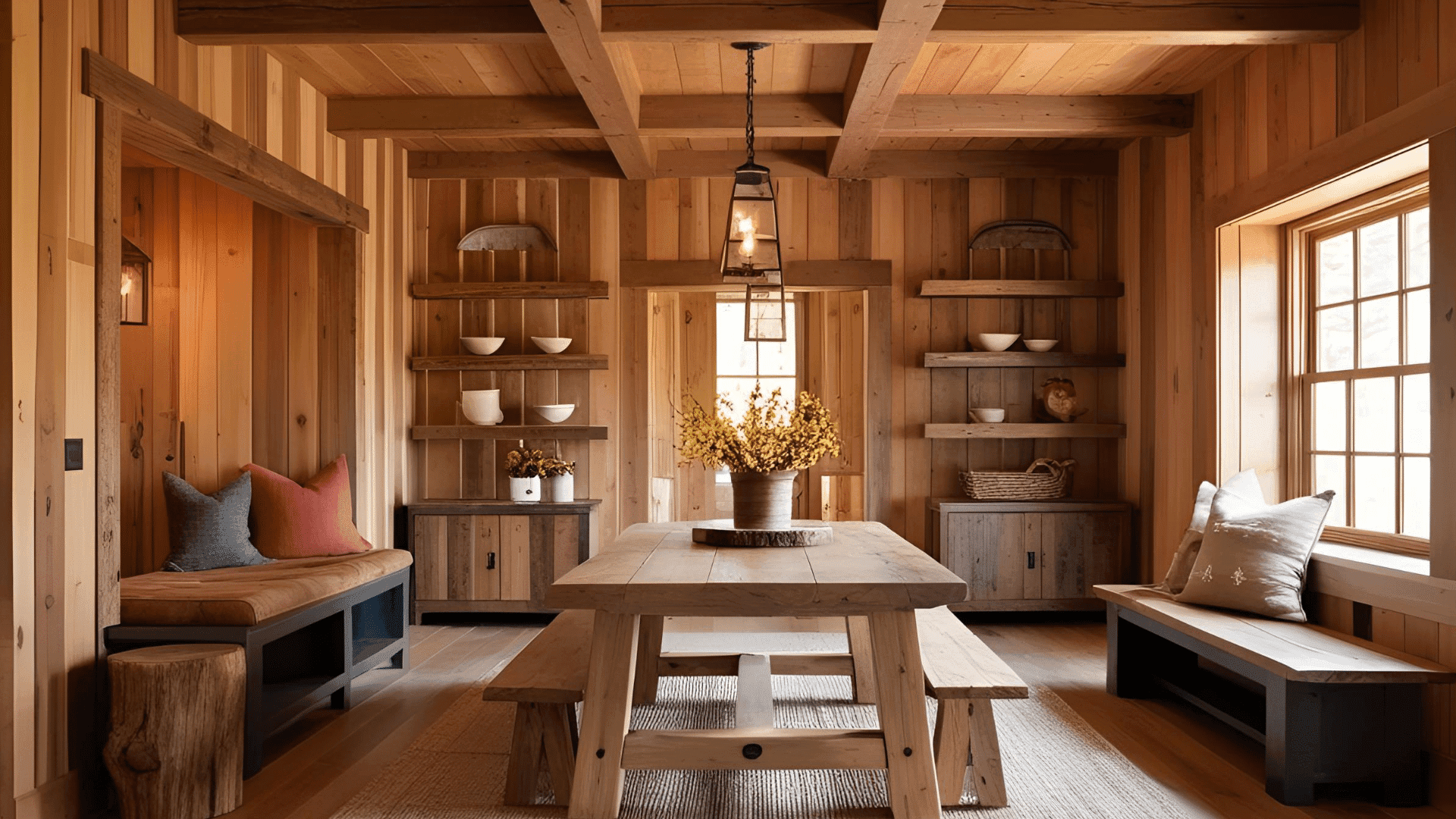
Wood Design
Sustainable wood design is a critical aspect of modern architecture, focusing on the use of timber sourced from responsibly managed forests.
This is a project-scale item — pricing depends on site, quantity, and delivery. Send us a quote request and we will come back within one business day with a scoped proposal.
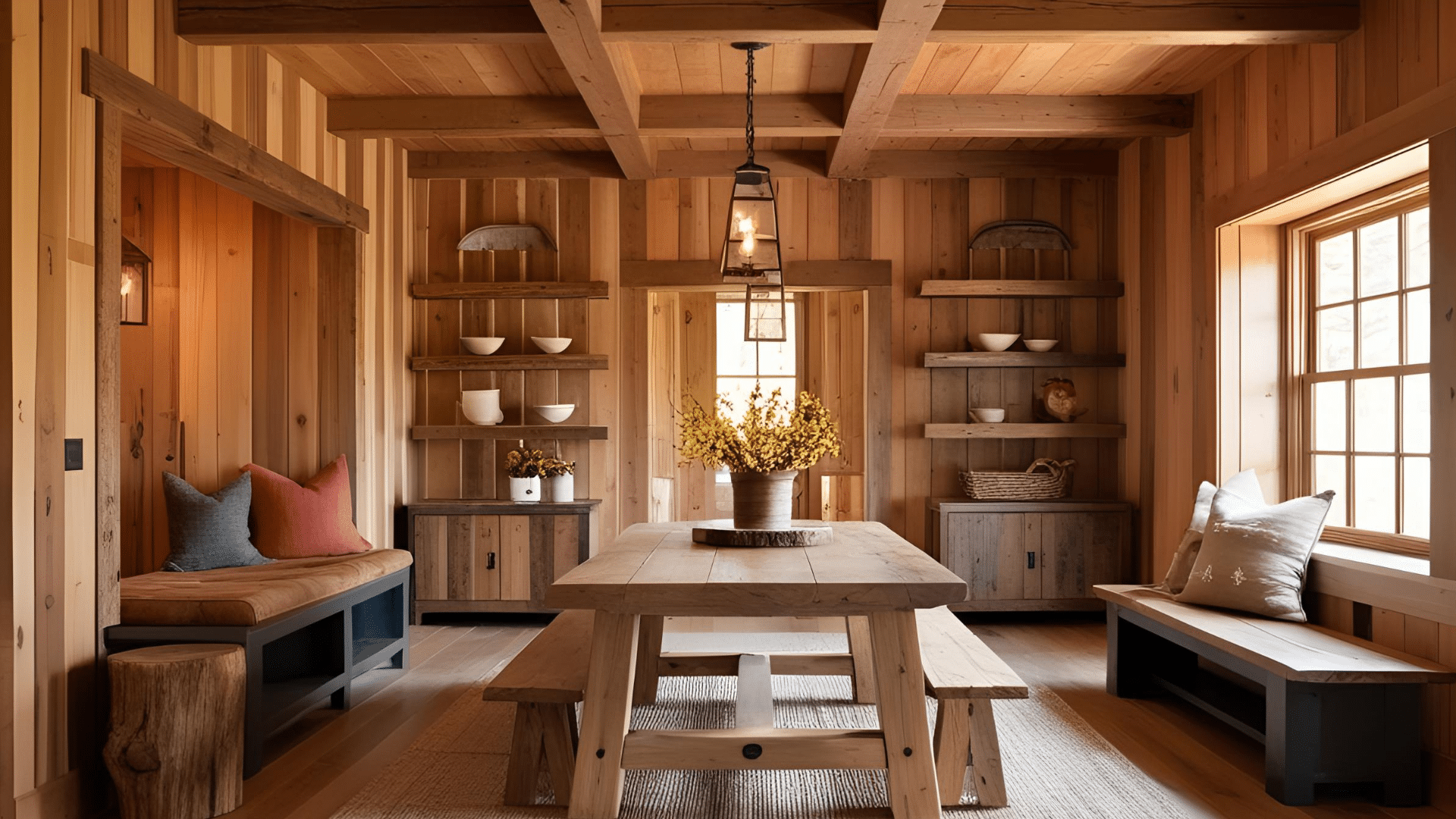
Description
Wood Design approach not only supports ecological balance and biodiversity but also contributes to reducing carbon footprints and promoting biodiversity.
Sustainable wood is characterized by its durability, which is influenced by factors such as wood species, treatment methods, and environmental conditions. It is also used in various applications, including structural elements, interior finishes, and energy-efficient building designs, often supported by certifications like FSC and PEFC.
The use of wood in architecture is not just about aesthetics; it also plays a significant role in environmental performance, cultural meaning, and spatial practice. Wood's low carbon footprint and ability to sequester carbon dioxide make it a key component in the decarbonization of the building sector. It integrates environmental objectives with the formal and narrative potential of wood, offering innovative applications that balance tradition with modern sensibilities.
Wood's natural warmth and biophilic qualities can create spaces that reduce stress and promote well-being. Its carbon-neutral nature aligns perfectly with the design industry's commitment to environmental responsibility. Sustainable wood design is a testament to the material's potential to lessen ecological impact while providing limitless design possibilities.