
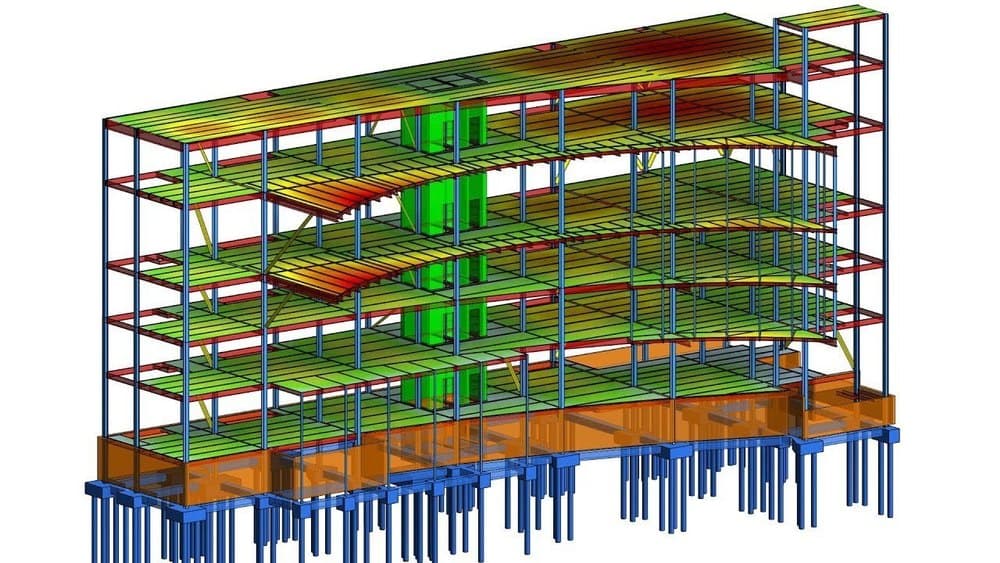
Steel Design
Steel design is considered sustainable due to its high recyclability, durability, and advancements in production technologies that reduce environmental impact.
This is a project-scale item — pricing depends on site, quantity, and delivery. Send us a quote request and we will come back within one business day with a scoped proposal.
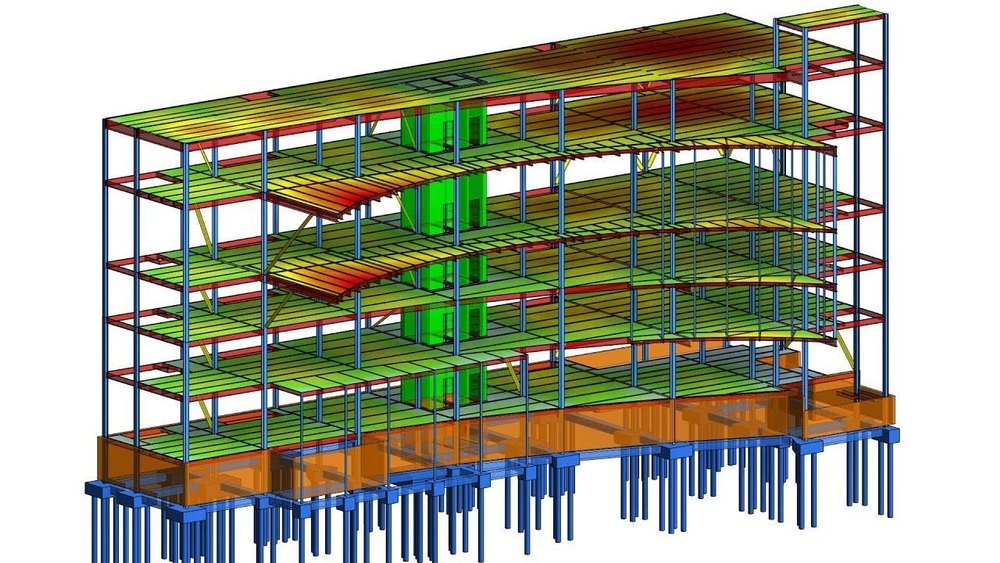
Description
The concept of sustainability in steel design encompasses a range of practices aimed at reducing the environmental impact of steel structures. Key aspects include:
· Recycled Steel: Utilizing post-consumer scrap metal to reduce the need for virgin raw materials and save energy.
· Low-Carbon Steel: Producing steel using cleaner production processes that have a lower carbon footprint than traditional methods.
· High-Strength Steel: Reducing the amount of material required for a structure by using high-strength steel, leading to lower environmental impacts.
· Life Cycle Assessment (LCA): Evaluating the environmental impacts of different materials throughout their entire life cycle, from extraction to end-of-life disposal or recycling.
· Energy Efficiency: Incorporating energy-efficient features like insulated panels and advanced fenestration systems to reduce heating and cooling energy requirements.
· Durability and Longevity: Ensuring steel structures can withstand harsh environmental conditions and require minimal maintenance over time.
These practices not only contribute to a greener future but also enhance the economic and social viability of buildings and infrastructure. By integrating sustainability into steel design, architects and engineers can create structures that are not only functional but also environmentally responsible.