
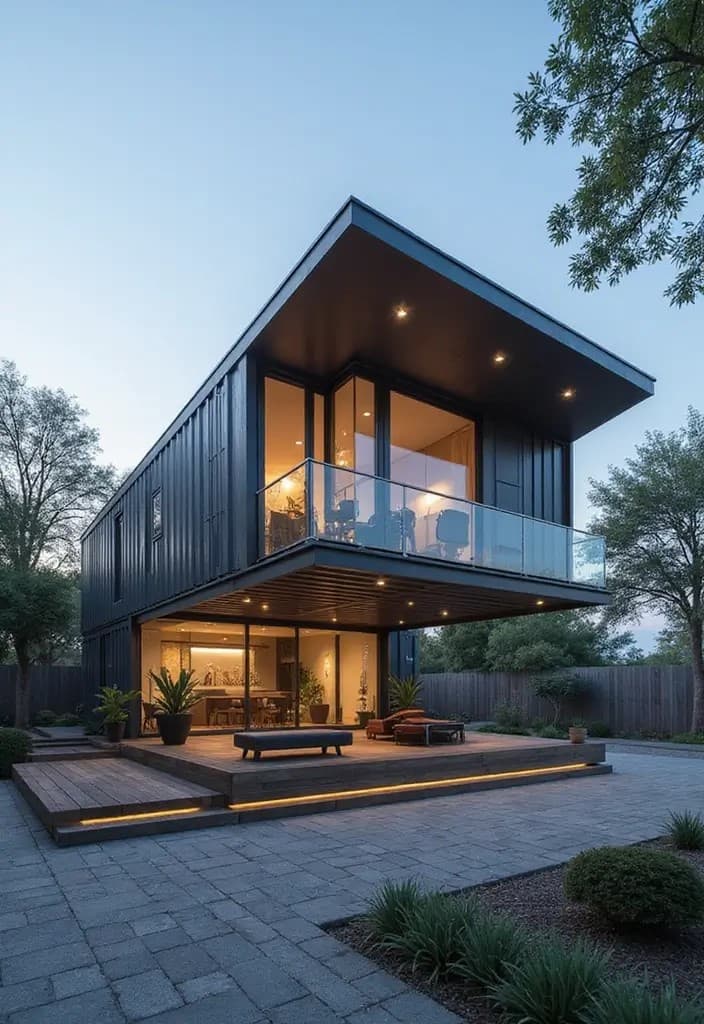
Steel Construction
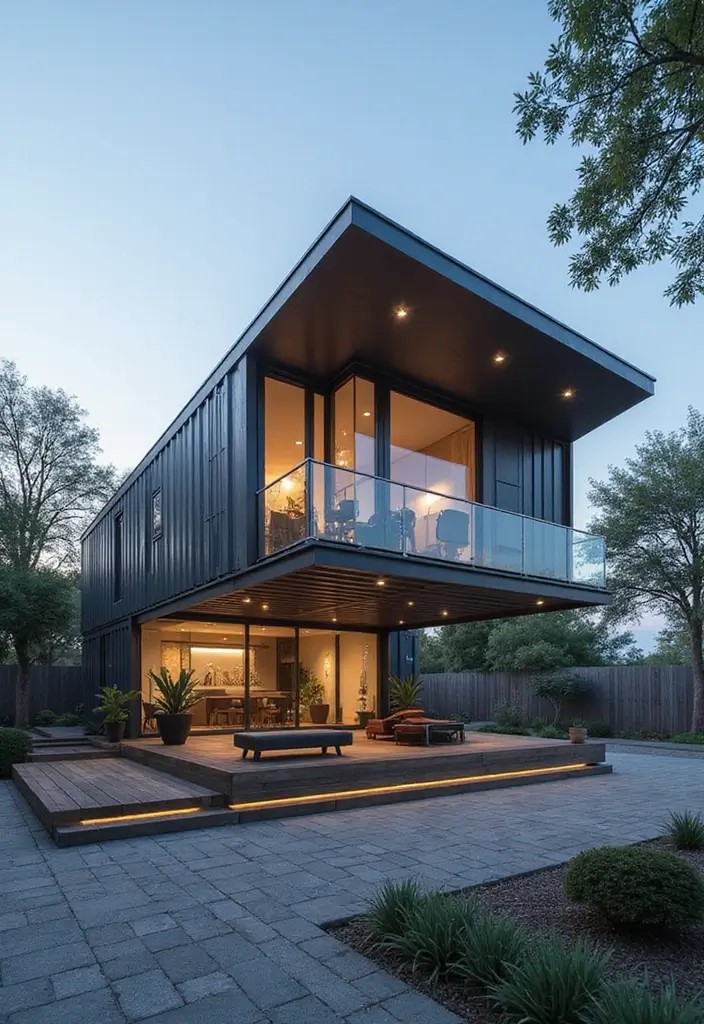
Steel structures are highly sustainable due to their recyclability, durability, energy efficiency, and potential for reuse, making them a key material for environmentally responsible construction.
This is a project-scale item — pricing depends on site, quantity, and delivery. Send us a quote request and we will come back within one business day with a scoped proposal.
Description
Environmental Benefits of Steel
Steel is one of the most eco-friendly construction materials due to its strength-to-weight ratio, which allows for lighter structures and reduced material use, lowering environmental impact during construction.
Compared to traditional concrete, steel construction can reduce carbon emissions by 30% or more during the building phase.
Its precision manufacturing minimizes waste, often reducing scrap by up to 80%, with most recycled back into production.
Steel also supports energy-efficient technologies, such as solar panels and high-performance insulation, contributing to lower operational energy use.
Recyclability and Circular Economy
Steel is 100% recyclable without loss of quality, and over 30% of global steel production comes from recycled materia
Durability and Reuse Potential
Steel structures are highly durable, often lasting over 50 years with minimal maintenance
Embodied Carbon and Life Cycle Considerations
Structural engineers focus on embodied carbon, which measures CO₂ emissions from material extraction, manufacturing, transportation, construction, and end-of-life disposal. Steel’s high recycled content and efficient production routes, such as the Electric Arc Furnace (EAF), significantly reduce carbon intensity compared to traditional blast furnace methods