
Foam concrete
Lightweight, cement-based material with air bubbles entrained to reduce density, providing insulation, sound absorption, and easy flow for construction applications. Mainly used for crack repair.
This is a project-scale item — pricing depends on site, quantity, and delivery. Send us a quote request and we will come back within one business day with a scoped proposal.
Description
Properties:
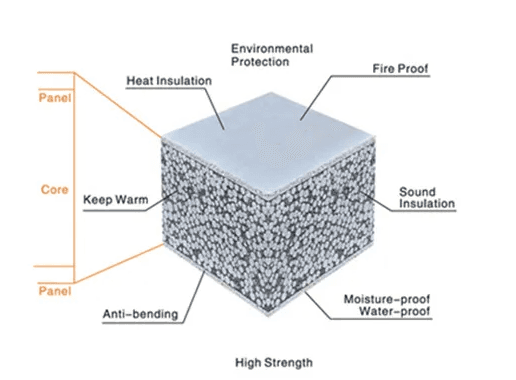
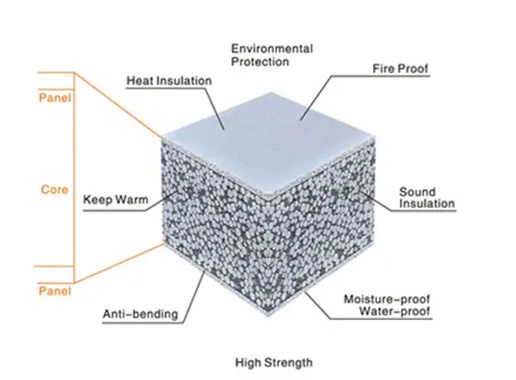
· Lightweight: Significantly lighter than conventional concrete due to high air content
· Thermal and acoustic insulation: Air bubbles provide excellent insulation and sound absorption
· Fireproof, waterproof, and insect-resistant: Durable in various environmental conditions
· Workability: Can be poured, pumped, or molded; easily cut, carved, or drilled
· Self-compacting: No vibration or leveling is required, making it ideal for filling irregular voids.
Applications
Foam concrete is versatile and used in multiple construction scenarios:
· Void filling: Filling trenches, abandoned tunnels, or cavities around pipes and foundations
· Insulation: Walls, floors, and roofs benefit from its thermal and acoustic properties
· Geotechnical uses: Slope stabilization, retaining walls, and foundation underpinning
· Lightweight construction: Prefabricated blocks, panels, and non-load-bearing walls Road and sub-base construction: Provides stable, lightweight fill in areas with soft or unstable soil
· Fireproofing and soundproofing: Protects structures and reduces noise in buildings
Advantages
Foam concrete offers several benefits over traditional concrete:
· Reduces structural load due to low density
· Minimizes labor and equipment needs because it flows and self-compacts
· Can be produced on-site or off-site, allowing flexibility in construction
· Long-lasting and resistant to decay, with low permeability
In summary, foam concrete is a lightweight, highly workable, and insulating material that is ideal for void filling, insulation, and non-structural construction applications, offering both practical and economic advantages over conventional concrete